For the immersive design module, I chose to base my animation on The Evil Dead 2 (ED2). As the theme for this module was to create an immersive experience using the thematic elements of Alice in Wonderland, it felt fitting to base this animation on a movie where the lead character is thrown into a situation where his grip on reality is slipping.
The animation takes its main inspiration from the scene in the movie where the room comes to life and mocks Ash relentlessly. This in conjunction with several of the key moments from the movie that will place the audience into this environment and isolate the user as the world around them distorts and (hopefully) leads to the audience responding to the scene with a combination of fright and joy.
Virtual reality offers the chance for users to insert themselves into a space they otherwise couldn’t. My ambition with this animation is to provoke slight paranoia and nudge the user towards looking over their shoulder. “One reason we consume horror is to experience stimulation. Exposure to terrifying acts, or even the anticipation of those acts, can stimulate us — both mentally and physically” (Yang & Zhang, 2021)
Considerations of the technology and limitations of scope
This experience is designed to be viewed with the Oculus Quest 2. There are limitations imposed by this medium as it effectively removes three of the senses (Touch, Taste, Smell) and will rely heavily upon environmental design such as lighting and audio queues to guide the viewer as to where to look. Using techniques such as Chiaroscuro (“from Italian chiaro, “light,” and scuro, “dark”) (Britannica, 2023) I hid some elements in darkness with brief flashes of light to have the audience questioning if something was even there.
As this is a 3D video, the audience cannot navigate the space themselves. This will help to alleviate common issues found with locomotion in VR spaces, as the player is grounded to the spot and the world changes around them, as opposed to the player changing the world.
This sequence is based on aspects from ED2 so there has to a be a sense of paranoia present throughout. In the film, there are many shots that place the protagonist in the centre of the frame and things move without his total awareness and this is something I wished to emulate for the viewer.
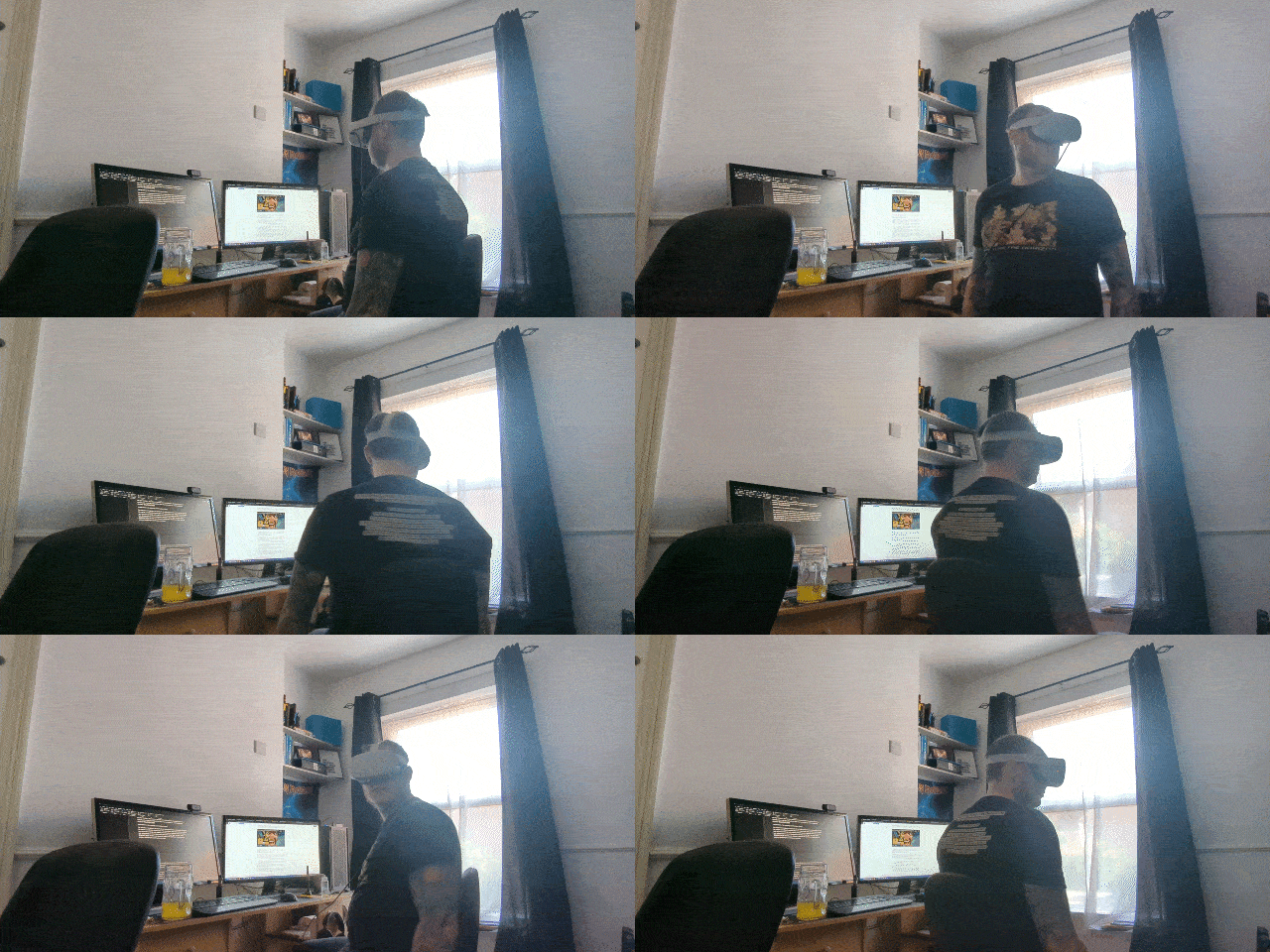
As the Quest 2 can be wired into a computer it is important to ensure that the user doesn’t turn more than 180 degrees in any one direction from a neutral position in an office swivel chair, so they do not get wrapped up in the cabling. To ensure this, I have made it so the correct path for the user is to look far left, then right, left then right again before the whole environment distorts allowing for a free view of the space.
Lack of embodiment
The concept of embodiment can be important in VR experiences. I chose not to implement any embodiment in the scene because it is a 360 degree experience. Without the project running in a game engine allowing the simulated body to turn with the head in tandem, it runs the risk of immersion breaking if the user is facing the entryway door, but the back of the body is in view facing 180 degrees the other way.
Final render considerations
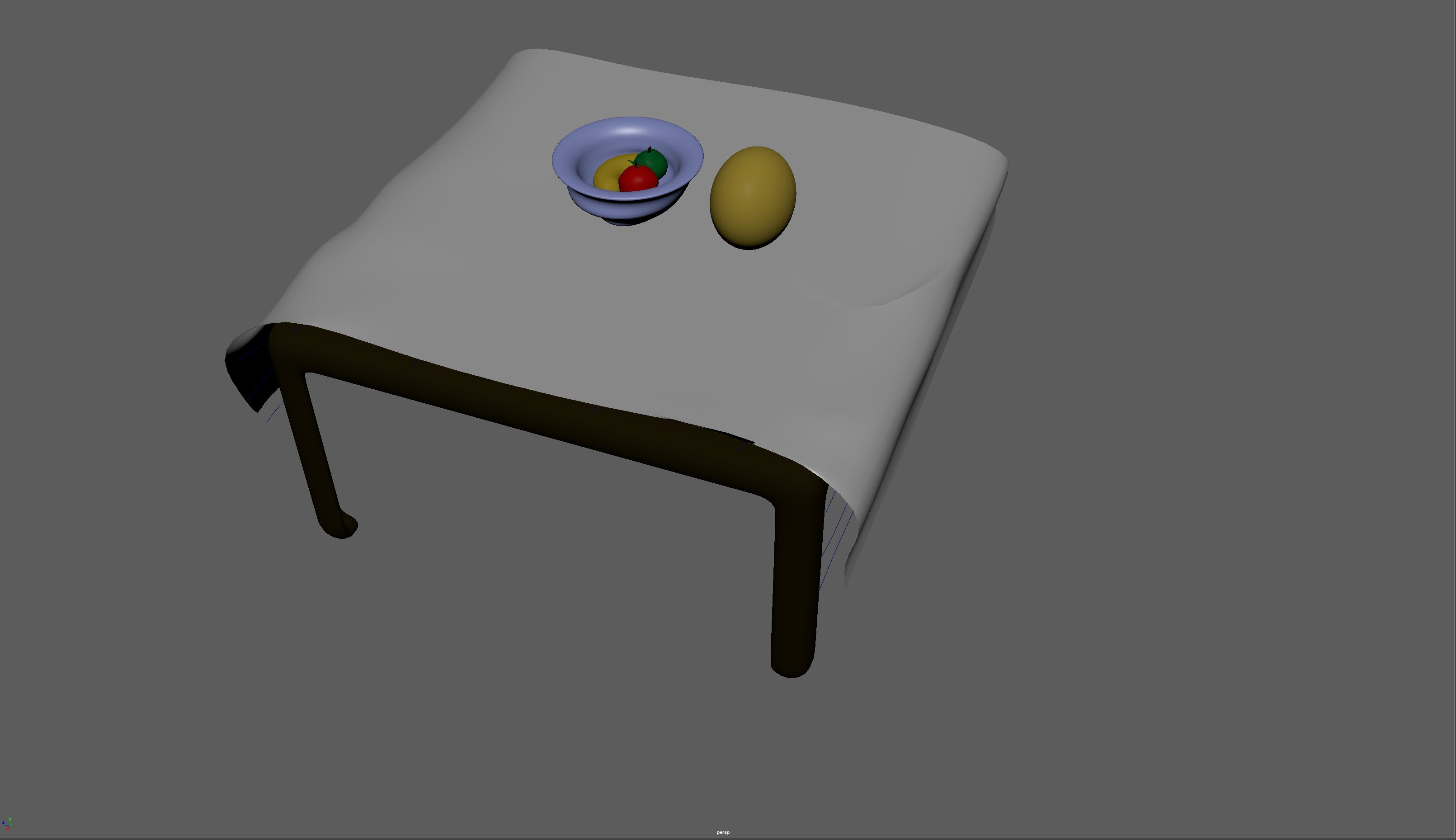
Unfortunately, as this project came towards its end, I found I was unable to render the piece using the Viper rendering suite. As Viper is a CPU image processing unit several effects were unable to be implemented. At the start of this module, I created a small animation test of volumetric cloud generation which renders perfectly on CPU but will not even appear in GPU. As the render times fluctuated between 1.5 minutes to 2 minutes per frame, I had to lower the number of variables in the scene to something more manageable for GPU.