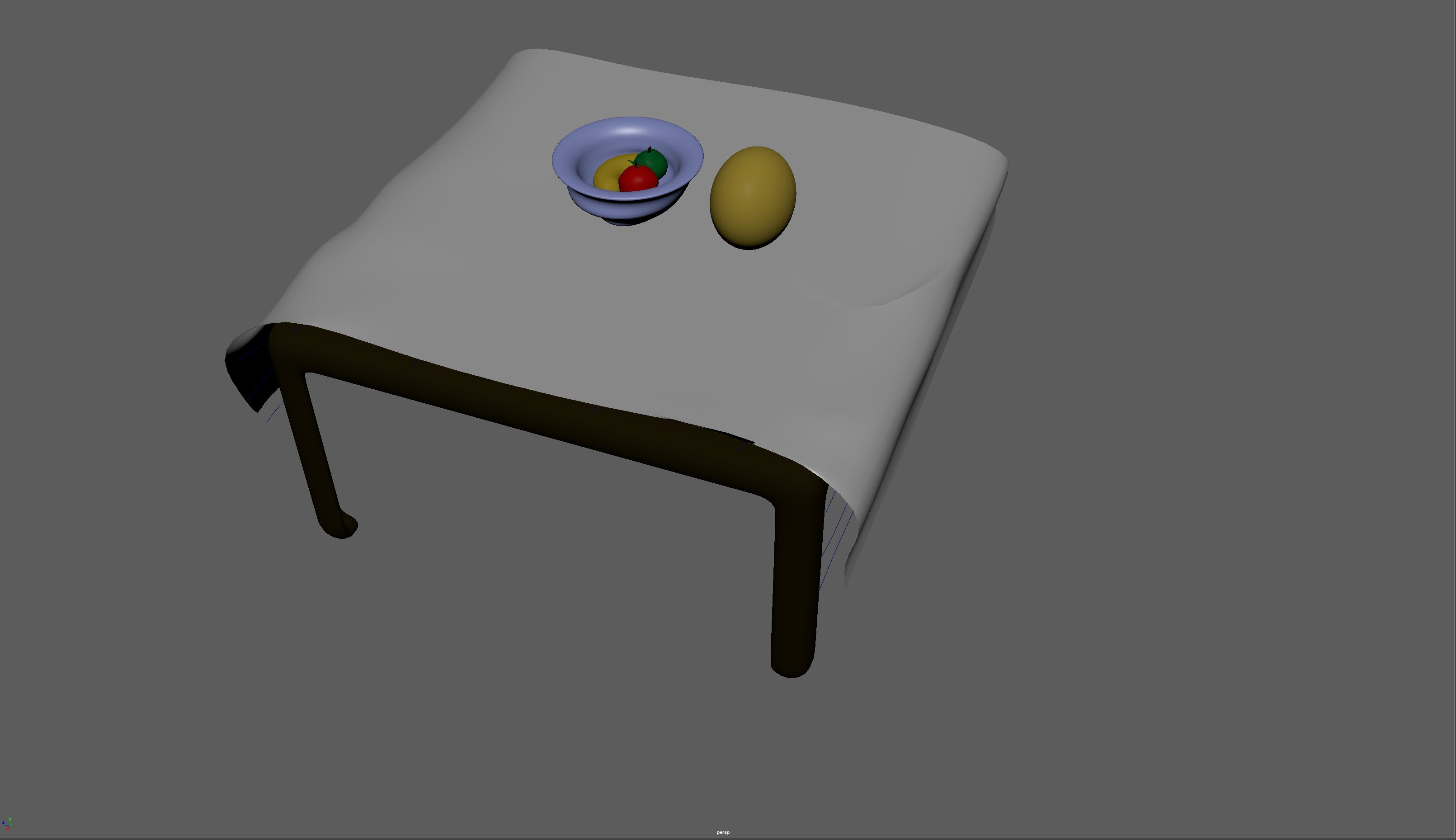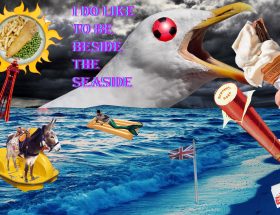
Tufte presents the idea of Micro Macrocosms as smaller pieces that are combined into a single instance to provide a larger context (Tufte, 1998). It is important to note that all aspects of this concept are of value as the smaller facets that create the larger whole are of vital importance to the complete piece as without them, the meaning we derive is incomplete and offers diminished value.
Audible utilises this concept in an advert for their service. It demonstrates various people discussing stories available on the platform before ending with the slogan “Have you heard the one about” (Audible, 2021) before changing the final word of the sentence, emphasising the variety of content available on the platform.
It can be argued that Micro Macrocosms are derived from the Gestalt theory of psychology in which it “is not determined by that of their individual elements, but where the part-processes are themselves determined by the intrinsic nature of the whole” (Graham, 2008).
It is important to appreciate in the digital age that the context and consumption of media has changed so rapidly with the rise of platforms such as Twitter, Youtube, and Facebook that art itself can no longer be appreciated as a single entity. The audience can now collectively create multiple macrocosms of its own as “The online world has not only democratized, but revolutionized the art game.” (Murphy, 2018).
It is typical within the audio narrative medium that through the process of layering vocal tracks, sound effects and ambient noise it is possible to create more meaningful work of fiction. These elements alone can provide some context, however when they are combined it creates a more immersive environment for the audience to engage with the narrative. “By pitching the story through background music, sound design and sound effects, you will guide the interpretation, feelings and emotions in each story told and engage your listeners a lot more” (Bulger, N.D).
Bibliography
Audible, (2021). Have you heard? | The difference is Audible. [online] Youtube. Available at: <https://www.youtube.com/watch?v=auGcxugojCU> [Accessed 16 November 2021].
Bulger, C.,(n.d). How to properly use Sound Effects in your Audiobook – Royalty Free Music by The Music Case. [online] The Music Case. Available at: <https://www.themusicase.com/blog/how-to-properly-use-sound-effects-in-your-audiobook/> [Accessed 16 November 2021].
Graham, L., (2008). Gestalt theory in interactive media design. Journal of Humanities & Social Sciences, 2(1).
Murphy, S, (2018). Art explained: How the internet changed the art world. [online] CNN. Available at: <https://edition.cnn.com/style/article/how-the-internet-changed-art-steven-murphy/index.html> [Accessed 15 November 2021].
Tufte, E., 1998. Envisioning information. 6th ed. Cheshire, Conn.: Graphics Press.